
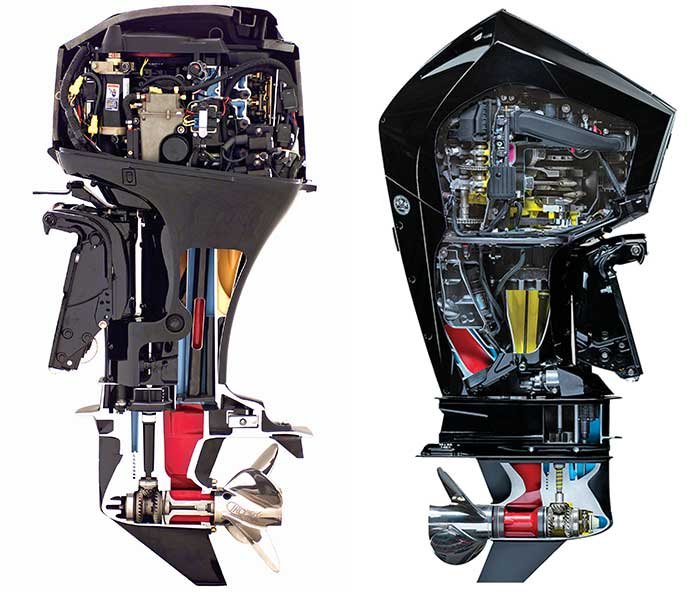
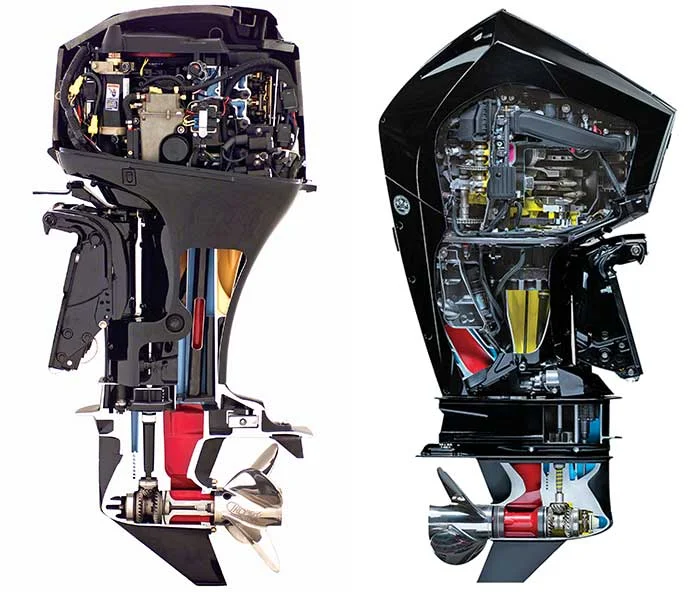
2 Stroke vs 4 Stroke Honda Outboard Engines
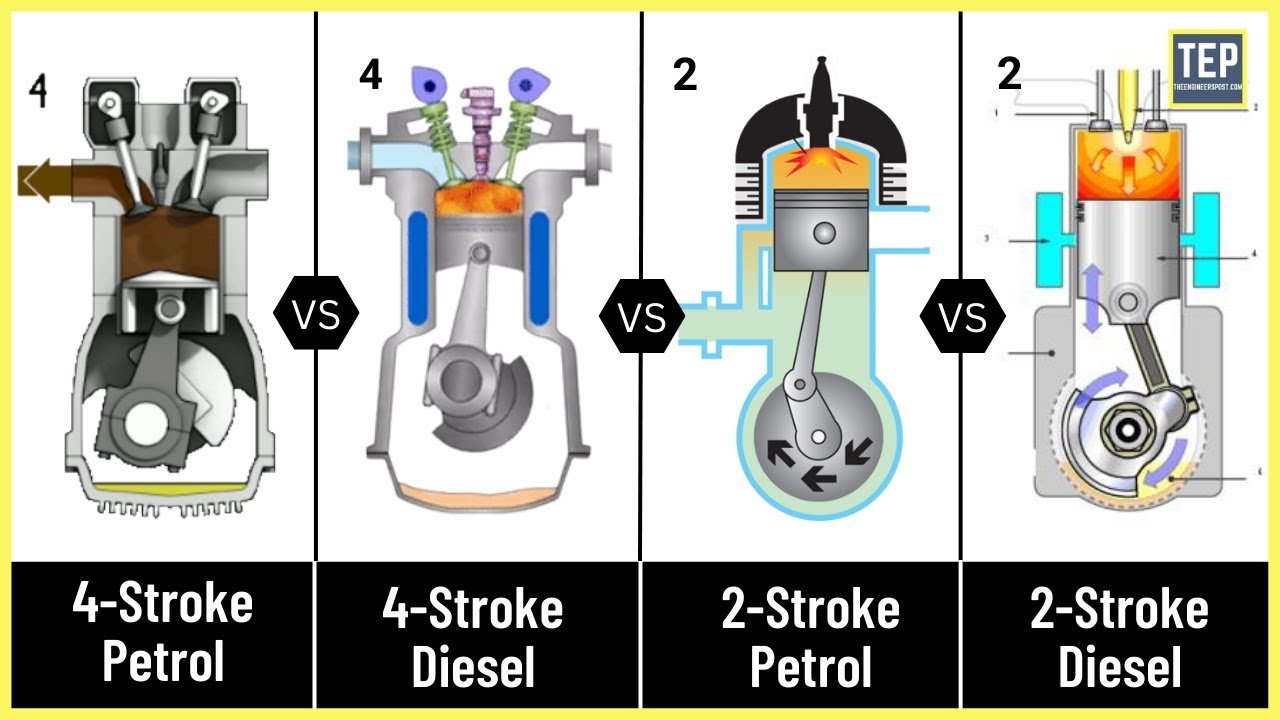
2 Stroke vs 4 Stroke Honda Outboard Engines 2
Let’s keep this simple and realistic. 2 Stroke vs 4 Stroke Honda Outboard Engines
If you’re searching 2 Stroke vs 4 Stroke Honda Outboard Engines, you’re probably trying to decide which engine setup actually makes more sense before spending money.
And honestly, that’s smart.
Because people argue about 2-stroke and 4-stroke engines all the time, but most buyers really just want answers to simple questions:
- Which one lasts longer?
- Which one is cheaper to maintain?
- Which one performs better?
- Which one should I actually buy?
That’s what really matters. 2 Stroke vs 4 Stroke Honda Outboard Engines
First — what’s the difference?
The difference is mostly in how the engine works internally.
A 2-stroke engine completes its power cycle in two piston movements.
A 4-stroke engine completes its cycle in four piston movements.
That sounds technical, but in real life it mostly changes:
- Power delivery
- Fuel usage
- Maintenance
- Engine feel
That’s the practical difference. 2 Stroke vs 4 Stroke Honda Outboard Engines
Why this matters when buying used outboards
Once you start shopping for used engines, this comparison becomes important.
Because now you’re not just buying performance.
You’re buying:
- Reliability
- Engine lifespan
- Maintenance history
- Long-term value
That’s why a proper 2 Stroke vs 4 Stroke Honda Outboard Engines comparison matters before buying. 2 Stroke vs 4 Stroke Honda Outboard Engines
Why people still like 2-stroke engines
Even though 4-stroke engines dominate modern markets, plenty of people still love 2-strokes.
And honestly, there are good reasons for that.
Lightweight design
2-stroke engines are usually lighter.
That matters for:
- Small boats
- Performance setups
- Easier handling
Less weight changes how the boat feels on the water. 2 Stroke vs 4 Stroke Honda Outboard Engines
Faster throttle response
2-strokes usually feel:
- More aggressive
- More immediate
- Quicker during acceleration
A lot of boat owners still prefer that feeling.
Simpler mechanical setup
2-stroke engines often have:
- Fewer moving parts
- Simpler construction
That can make certain repairs easier.
The downside of 2-stroke engines
Let’s be honest though.
2-strokes also come with trade-offs. 2 Stroke vs 4 Stroke Honda Outboard Engines
Higher fuel consumption
2-stroke engines usually burn more fuel.
That becomes noticeable over time, especially during heavy use.
More smoke and noise
Compared to 4-strokes, they often:
- Sound louder
- Produce more smoke
- Feel rougher
Some people like that raw feel.
Others don’t.
Oil mixing
Some 2-stroke setups require:
- Oil mixing with fuel
- More attention during operation
That’s another reason many buyers moved toward 4-stroke engines. 2 Stroke vs 4 Stroke Honda Outboard Engines
Why 4-stroke Honda outboards became so popular
Honda became heavily associated with 4-stroke outboards for a reason.
People wanted:
- Reliability
- Quiet operation
- Better fuel economy
And Honda built a reputation around exactly that. 2 Stroke vs 4 Stroke Honda Outboard Engines
Why people choose 4-stroke engines
Let’s keep it practical.
Better fuel efficiency
This is one of the biggest reasons buyers choose 4-strokes.
They usually:
- Use less fuel
- Run more efficiently
- Perform better during long trips
That matters for regular boating.
Quieter operation
4-stroke engines usually feel:
- Smoother
- Quieter
- Less harsh
Especially during idle and cruising.
Cleaner operation
Compared to older 2-strokes:
- Less smoke
- Cleaner emissions
- More refined performance
That’s why many regions moved heavily toward 4-strokes.
Strong reliability reputation
Honda 4-stroke engines built a strong reputation because they tend to last when maintained properly.
That matters a lot in marine environments.
The downside of 4-stroke engines
They’re not perfect either.
Heavier design
4-strokes are usually heavier than 2-strokes.
That extra weight matters on certain boats.
More complex maintenance
4-stroke engines have:
- More internal components
- Oil systems
- Valves and timing systems
That can increase maintenance complexity.
Which engine lasts longer?
Generally speaking:
👉 4-stroke Honda outboards usually have a stronger long-term durability reputation.
But…
Maintenance matters more than engine type.
A neglected 4-stroke can still become a disaster.
Which engine is better for performance?
This depends on what you want.
2-stroke engines
Usually feel:
- Faster responding
- More aggressive
- Lighter
4-stroke engines
Usually feel:
- Smoother
- More refined
- More consistent over long use
Neither one is automatically “better.”
Which engine is better for beginners?
Honestly?
Most beginners prefer 4-stroke engines because they’re:
- Easier to live with
- More fuel efficient
- Less noisy
That’s why they dominate today’s market.
Why buyers still search for used Honda outboards
A lot of people don’t want brand-new engines.
They want:
- Lower cost
- Proven reliability
- Good value
That’s why used Honda outboard engines remain in demand worldwide.
What “tested used outboard engine” should mean
This matters a lot.
Before buying, you should know:
- Running condition
- Compression status
- Engine hours
- Overall performance
If the seller can’t explain these things clearly, ask questions.
Common specifications buyers look for
Most buyers want simple details like:
- Horsepower
- Engine type
- Shaft length
- Fuel type
- Engine hours
- Condition
That’s what actually matters.
Common horsepower ranges
Honda outboard engines commonly include:
- 2.3 HP
- 20 HP
- 40 HP
- 90 HP
- 150 HP and more
The right size depends on the boat and intended use.
Buying process (simple)
The process is straightforward.
- Confirm compatibility
- Review specifications
- Receive pricing
- Arrange shipping
That’s it.
Worldwide shipping
Outboard engines are shipped internationally every day.
Engines are:
- Properly secured
- Protected during transport
- Delivered safely
As long as the process is handled correctly, it’s straightforward.
What we offer
If you’re researching 2 Stroke vs 4 Stroke Honda Outboard Engines, we help buyers find engines that actually fit their needs.
We provide:
- Tested Honda outboard engines
- Clear specifications
- Fair pricing
- Worldwide shipping
No confusion.
Common mistakes buyers make
This happens constantly.
People:
- Buy only based on price
- Ignore engine condition
- Don’t verify engine hours
- Assume every 2-stroke is unreliable
- Assume every 4-stroke is perfect
That’s not how engines work.
Condition always matters most.
Final thoughts
If you’re searching 2 Stroke vs 4 Stroke Honda Outboard Engines, the answer is simpler than people make it sound.
2-stroke engines offer:
- Lightweight performance
- Faster throttle response
- Simpler design
4-stroke engines offer:
- Better fuel economy
- Quieter operation
- Long-term reliability reputation
Neither one is automatically better for everyone.
The real key is buying a properly tested engine that matches your actual boating needs.
That’s what matters long term.
FAQ
What is the difference between 2-stroke and 4-stroke outboards?
2-strokes are lighter and more aggressive, while 4-strokes are smoother and more fuel efficient.
Which engine lasts longer?
Usually 4-stroke engines when properly maintained.
Are 2-stroke engines faster?
They often feel quicker because of lighter weight and power delivery.
Which engine is quieter?
4-stroke engines.
Are used Honda outboard engines reliable?
Yes, if properly tested and maintained.
Which engine is better for beginners?
Most beginners prefer 4-stroke engines.
Can outboard engines be shipped worldwide?
Yes.
What should I check before buying a used outboard engine?
Hours, condition, compression, and specifications.
Do you sell tested Honda outboard engines?
Yes.
How do I order?
Contact us, confirm details, and proceed.
If something isn’t clear, ask before making a decision. It’s always better than buying the wrong engine and dealing with problems later.
Yamaha 300HP Outboard Review: Built for Speed and Strength – Yamaha 300HP outboard for sale
Electric vs Gas Outboard Motors: Pros, Cons & Which is Right for You
Posts Widget
- 1

- 2

- 3

- 4


S.H Continental Marine
USA HERALD MAGAZINE INC
Our team is dedicated to providing exceptional customer service.
Email: info@shcontinentalmarine.com
Choose S.H Continental Marine
for your outboard engine needs and enjoy superior quality, exceptional customer service, and unbeatable prices.
